Starting a new job is a lot like starting a new adventure. There is a lot to learn. You have to meet new people and figure out a lot of new things. For a new hire, this can be very exciting. However, the first few days can also be a bit overwhelming. They often have to fill out a lot of paperwork. They also have to sit through a lot of long meetings. This process is called onboarding. For a long time, it was a very manual and time-consuming process. But today, a new kind of technology is changing all of that. The AI for onboarding process is making it easier, faster, and more personal than ever before.
AI-Driven Tutoring: Your Personal Learning Sidekick
AI is not here to replace the people on your HR team. Instead, it’s here to be a partner. It handles all the boring, repetitive parts of the job. This frees up your human team to focus on what they do best: building relationships with new hires. This article is your guide to understanding how AI is transforming the onboarding process. We’ll explore how it works. We’ll also look at how real companies are using it. By the end, you’ll see why a smart approach to AI is the key to creating a great first impression for every new hire.
AI Replacing Designers? The Answer Might Surprise You
Automating the AI for Onboarding Process: Say Goodbye to Paperwork
In the past, the onboarding process was a paperwork nightmare. It was a lot of forms, documents, and checklists. An HR professional would have to manually enter a lot of information into different systems. This could take a long time. It could also lead to a lot of mistakes. But now, with AI for onboarding process, all of that is changing. AI is making the process much faster and more accurate.
Here is how AI helps with automating the onboarding process:
- Smart Paperwork: An AI can read a document, like a signed contract. It can then automatically take out all the important information, like the employee’s name and address. It then puts all that information into the right place in your system. This takes seconds, not minutes. It also reduces human error.
- Automated Emails: The AI can send a welcome email to a new hire automatically. It can also send a reminder to a new hire to complete their paperwork. This is a great way to make a new hire feel welcome. It also helps them stay on track.
- Account Setup: A new hire needs access to a lot of different tools and systems. An AI can automate this process. It can automatically create an email account and a profile for a new hire. This is a great way to save time for your IT team.
- Onboarding Checklists: An AI can create a personalized onboarding checklist for a new hire. It can also send a reminder to a manager to complete their part of the checklist. This ensures that every new hire gets the same great experience.
This is a great example of HR automation AI in action. It is saving HR teams a lot of time and effort. It is also making the onboarding process much more efficient.
Talent Management with AI: A Personalized Welcome (AI for onboarding process)
Starting a new job can feel a bit like being lost in a big, new city. You don’t know where to go. You don’t know who to talk to. This is why a great onboarding experience is so important. It makes a new hire feel comfortable and supported. This is where talent management with AI is a game-changer. AI can create a personalized and engaging experience for every new hire.
Here are some ways AI helps with talent management:
- Personalized Learning: Every new hire has different skills and different needs. An AI can look at a new hire’s job and career goals. It can then give them a personalized training plan. This ensures that a new hire is always learning at the right pace.
- Instant Answers: A new hire often has a lot of questions. They might be too shy to ask a person. An AI chatbot can answer these questions instantly, 24/7. This helps a new hire get the information they need without feeling uncomfortable.
- Virtual Tours: Some companies are using AI to give new hires a virtual tour of their office. A new hire can then explore the office on their own time. This is a great way to help a new hire feel more comfortable and a part of the team.
- Onboarding Assistants: An AI can act as a personal assistant for new hires. It can remind them of important meetings. It can also tell them about company events. This helps a new hire stay organized and engaged.
This new way of working is all about creating a better experience for AI for new hires. It makes them feel valued from day one.
HR Automation AI: Boosting Productivity and Retention
The benefits of AI in the onboarding process are not just for new hires. They are also for the HR team. When you use AI for onboarding process, you save a lot of time. This time can then be used to work on more important things. According to a Deloitte study, companies using AI-based onboarding platforms experienced a 31% improvement in new hire retention. This is a huge benefit for any company.
Here is how AI helps with productivity and retention:
- Saves Time: When you automate a lot of the paperwork, your HR team has more time. They can then use that time to talk to new hires. They can also focus on building company culture.
- Reduces Errors: AI is very good at doing the same task over and over again. It doesn’t make mistakes. This means that you don’t have to spend time fixing problems.
- Improves Retention: A great onboarding experience is very important for new hire retention. When a new hire feels supported and engaged, they are more likely to stay at a company.
- Provides Insights: AI can analyze data from the onboarding process. It can then tell you what is working and what is not. This helps you make smarter decisions about how to improve your onboarding process in the future.
This is a great example of how HR automation AI can have a huge impact on a business.
Real-World Applications of Talent Management with AI
Many companies are already using AI to get ahead. These real-world examples prove that AI for onboarding process is not just a theory; it’s a powerful tool.
Case Study 1: IBM’s “AskHR” Agent
IBM is a big company with a lot of employees. They needed a way for their employees to get answers to their HR questions quickly. So, they created an AI agent called “AskHR.” This agent is a chatbot that can answer a lot of questions about benefits, payroll, and company policy. This agent can answer questions from over 270,000 employees every day. This frees up the HR team to focus on more important work. It is a great example of how AI can be used to improve employee satisfaction.
Case Study 2: The Onboarding Assistant
A company with a lot of new hires was struggling to manage their onboarding process. They were spending a lot of time on paperwork and training. They decided to use an AI onboarding assistant. The AI was able to automate a lot of the paperwork. It also created a personalized training plan for each new hire. This made the onboarding process much faster. It also helped the new hires feel more supported. This is a great example of how AI for new hires can help a business be more efficient.
Case Study 3: The Global Tech Company’s Onboarding
A global tech company wanted to make sure every new hire had the same great onboarding experience. This was hard to do because they had new hires in a lot of different countries. So, they used an AI to help them. The AI was able to create a personalized onboarding plan for each new hire based on their location. This ensured that every new hire had the same great experience. It also helped them with all the local paperwork and laws. This is a great example of talent management with AI in action.
Top AI Tools for the Modern HR Team (AI for onboarding process)
The market is full of fantastic tools that can supercharge your HR department. Here are a few to get you started.
- Phenom: This platform uses AI to enhance the entire employee experience, from recruitment to career pathing. Its tools help automate the hiring process, and its analytics help HR teams make smarter decisions. [See source](https://www.phenom.com/).
- Workativ: This tool helps you automate a lot of the HR work. It can help you with things like onboarding and offboarding employees. It can also help you with leave management. It’s a great tool for any HR department that wants to be more efficient. [See source](https://workativ.com/).
- FlowForma: This tool helps you automate your business processes. It can help you with things like onboarding new employees and processing invoices. It is a great tool for any business that wants to be more efficient. [See source](https://www.flowforma.com/).
- Paradox (Olivia): This tool is an AI chatbot. She is a conversational assistant that helps with scheduling and answering a candidate’s questions. Olivia is a great tool for improving the candidate experience. [See source](https://www.paradox.ai/).
These tools are at the forefront of HR tech trends. They can help you take your HR department to the next level.
Conclusion: AI as a Partner, Not a Replacement
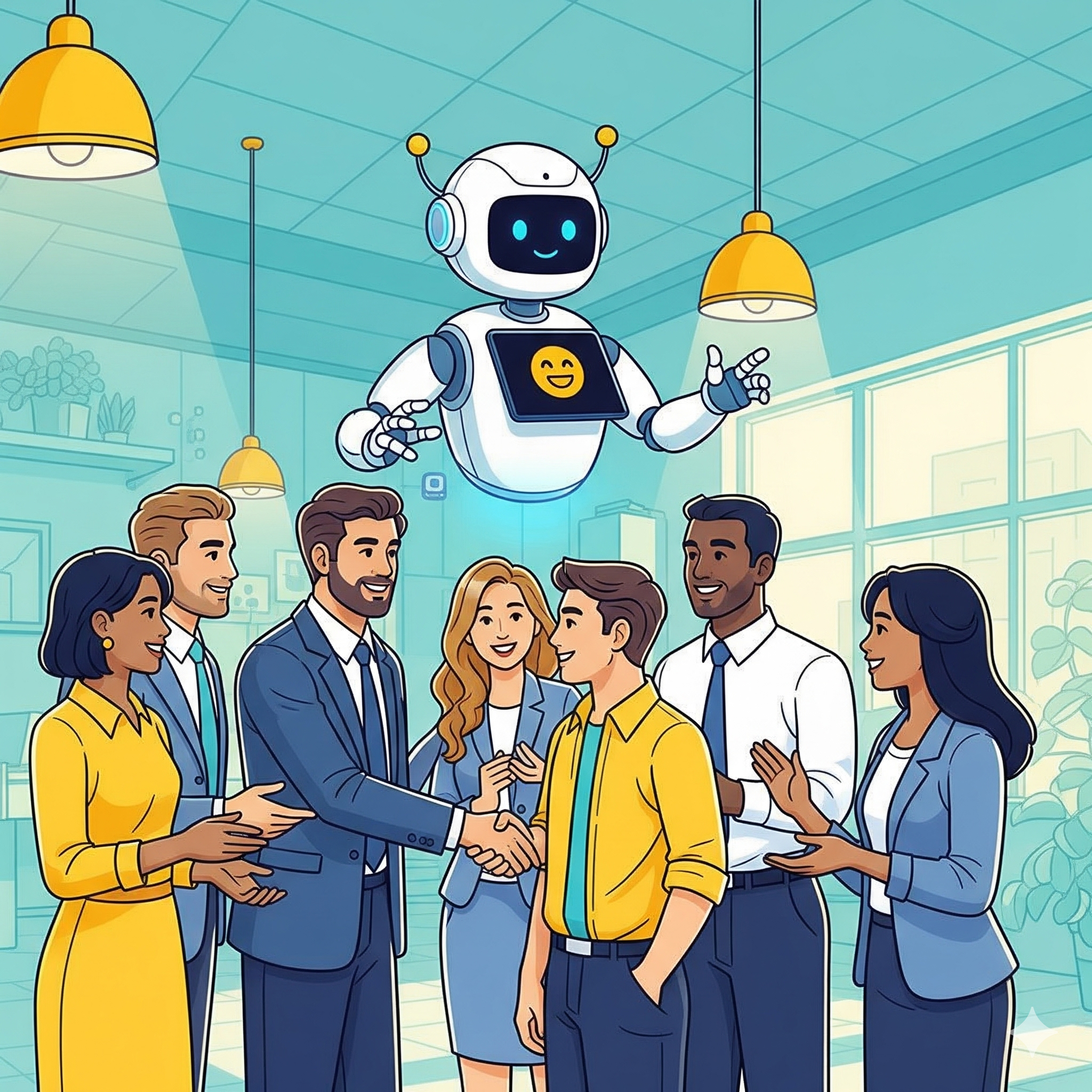
So, is AI going to replace the HR team? The answer is no. Instead, AI is changing the job for the better. It is taking away the boring, repetitive work. This frees up HR professionals to be more creative and strategic. The future of HR is a partnership between human empathy and AI efficiency. The AI handles the data and the mundane tasks. The human handles the creative, emotional, and strategic parts of the job.
According to a McKinsey report, the most successful companies are the ones that redesign their workflows to include AI. [See source](https://www.mckinsey.com/capabilities/quantumblack/our-insights/the-state-of-ai). This is a huge change. But it is not about replacing the human. It is about empowering the human. The HR professionals who learn to use AI as a partner will be the ones who stand out. They will be more productive. They will also be more creative. Also, They will be able to lead their teams more effectively and have a more enjoyable workflow.