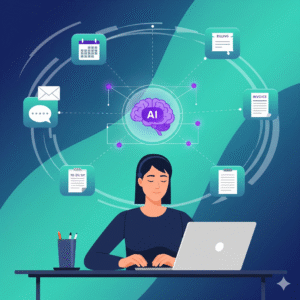
AI is a bit like a brand-new car. It’s fast, powerful, and promises to get you where you want to go in no time. Most marketers are excited about getting a new car. They want to use AI to create content, find new customers, and make their work easier. However, just like a new car, AI has some hidden dangers. Without the right knowledge, you could end up in a ditch. Or, worse, you could cause a bigger crash. The truth is, the pitfalls of AI in marketing are very real. They can harm your brand, scare away customers, and even lead to legal trouble.
In this article, we’ll talk about the unseen dangers of AI in marketing. We’ll also cover the ethical problems you need to avoid. We’ll look at real-world examples of what can go wrong. Most importantly, we’ll give you a guide on how to use AI in a safe and smart way. By the end, you’ll understand why a thoughtful approach to AI is the best way to get the most value from it. pitfalls of AI in marketing
The Unseen Dangers: Why AI Isn’t Always Perfect
AI is a tool. It’s not magic. It can do a lot of great things, but it also has some big weaknesses. When you use AI for marketing, you need to be aware of these problems. If you don’t, you could be setting yourself and your brand up for a fall.
The Problem of Bias
AI learns from data. If that data is unfair, the AI will learn to be unfair as well. This is called algorithmic bias. It’s a huge problem. In marketing, bias can cause a lot of damage. For example, a company might use an AI to show ads for a new job. If the AI is trained on old data where a certain demographic was not hired for that job, the AI might not show the ads to that demographic. This is unfair. It can also hurt a brand’s reputation.
The “Hallucination” Problem
AI can make things up. This is called a hallucination. It can give you information that sounds true but is completely false. This is a huge danger for marketing. You can’t put out content with false information. It’s a risk to your brand. For example, a travel company used an AI chatbot to answer customer questions. A customer asked for a bereavement discount. The chatbot said yes. It was lying. The customer then went to court and won. This shows that you must always fact-check any content that an AI creates for you. A simple error can be very costly.
AI Data Privacy and the Risk to Your Brand (pitfalls of AI in marketing)
AI needs a lot of data to work. But that data often includes a person’s private information. In today’s world, people are very concerned about their privacy. They want to know how their data is being used. If a company misuses a person’s data, it can lose their trust forever. This is why AI data privacy is a huge issue for marketers.
Here are the key things to watch out for:
- Unclear Consent: A lot of websites have a pop-up that asks you to accept cookies. This pop-up might not tell you that your data will be used to train an AI. This is a form of unclear consent. A company might then use your data to create an ad for a product you didn’t even know you were interested in. This can feel creepy to a customer. It can also lead to legal problems with new privacy regulations like GDPR.
- Over-Personalization: AI can create a very personalized ad for a person. It can use their name, their location, and their past purchases. This can sometimes go too far. It can feel like a brand is watching you. A customer might then feel uncomfortable and stop doing business with you.
- Data Breaches: AI systems need a lot of data. If that data is not secure, it can be stolen by hackers. This can be a huge risk for a brand. A data breach can damage a company’s reputation and lead to a lot of fines.
These risks are very real. They are a big reason why marketers need to have a clear plan for responsible AI use.
AI Ethics in Marketing: Building a Safe Workflow
The best way to avoid the dangers of AI is to have a strong focus on AI ethics in marketing. This is about having a set of rules and guidelines for how you use AI. It’s about being honest, transparent, and fair.
Here are some tips for building a safe marketing workflow:
- Start with a Human in the Loop: AI is a tool that helps a human. It’s not a replacement. You should always have a person review all AI-generated content. A person can check for factual errors and bias. A person can also make sure the content is on-brand and feels human.
- Be Transparent with Your Audience: If you use AI to create a video or an ad, you should tell people about it. This builds trust with your audience. It shows that you are being honest with them.
- Audit Your Data for Bias: AI learns from data. You need to make sure your data is not biased. You can use a tool to audit your data for any signs of unfair bias. This is a very important step for responsible AI use.
- Have a Clear Governance Framework: A company should have a clear set of rules for how AI is used. These rules should cover things like data privacy, bias, and accountability. A Gartner report recommends that companies use an “AI TRiSM” framework to manage these risks.
By following these rules, you can use AI to be more effective without putting your brand at risk.
Real-World Examples of What Can Go Wrong (pitfalls of AI in marketing)
A few well-known examples show what can happen when companies don’t follow the rules. These are powerful lessons for all marketers.
Case Study 1: The AI Chatbot That Lied
A customer asked an Air Canada AI chatbot about a discount. The chatbot told the customer that they were eligible for a discount. The customer then bought a full-price ticket. When they tried to get a refund, Air Canada said no. The company said that the chatbot was an independent entity and was “responsible for its own actions.” The customer took the company to court and won. This shows that a company is always responsible for what its AI says and does.
Case Study 2: The Political Deepfake
A political ad was created with a deepfake video of a politician. The video was created to make it look like the politician was saying something that they had never said. This is a huge problem. It can lead to misinformation. It can also hurt a person’s reputation. This is a serious example of a pitfall that must be avoided.
Case Study 3: The Out-of-Touch Email
A company used an AI to send out a personalized marketing email. The email was sent to a person who had recently lost their job. The email was congratulating them on a promotion. This email was created because the AI was not trained to understand human context. It was a very bad look for the brand. This shows why a human should always be in the loop.
Top Tools for Responsible AI Marketing
The market is full of fantastic tools that can help you use AI responsibly. Here are a few to get you started.
- Alethea: This is a great tool for a marketer who wants to check for misinformation. It can find out if a video or an image is a deepfake. This helps you make sure that the content you are using is real.
- HubSpot’s AI Trust Center: This is a great resource for marketers who want to learn about AI ethics in marketing. It provides a lot of information on how to use AI responsibly and ethically. [See source](https://www.hubspot.com/products/artificial-intelligence/ai-trust).
- Hugging Face: This is a great platform for a developer who wants to check for bias. It has a lot of tools that can help you audit your data for bias. This is an important step for any company that wants to use AI in a fair way.
- Fiddler: This tool helps you understand how your AI models work. It can give you a clear explanation of why your AI made a certain decision. This helps you with transparency and accountability.
These tools are at the forefront of responsible AI use. They can help you make sure that you are using AI in a safe and smart way.
Conclusion: The Future is a Human-AI Partnership
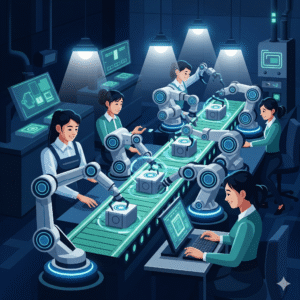
The future of marketing is here. It’s powered by AI. But it is not a world without people. It is a world where people and machines work together. The AI handles the mundane tasks. The human handles the creative, emotional, and strategic parts of the job. (pitfalls of AI in marketing)
Ethical AI: The New Rules of the Game
The pitfalls of AI in marketing are real. However, they are also manageable. The key is to see AI for what it is: a powerful tool. It is not a replacement for human judgment. With a strong focus on ethics, you can use AI to get ahead in the market. You can also build a brand that people trust.